1. Hard surfaces
Tile, sealed wood, glass, metal and equipment are cleaned and disinfected first because they restore well.
Foreman, AR · Little River County
After a serious injury in Foreman, a wipe with a towel is not enough. Call (877) 812-4220 for accident and injury scene cleanup that removes bloodborne pathogen risks.
If anyone is in danger, call 911 first. For a suicide crisis, call or text 988.
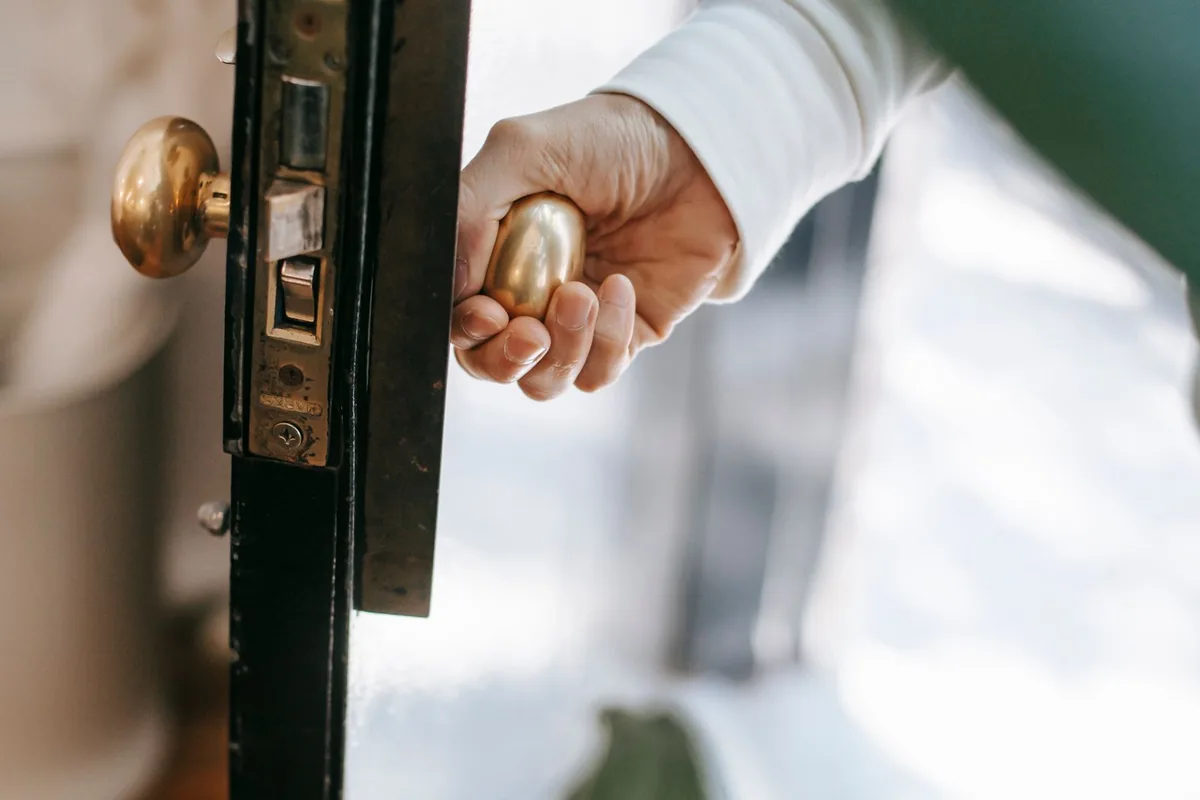
Accident cleanup is the step between the ambulance leaving and the room being used again. A cleanup team treats hidden fluids, removes soaked materials and deals with odor.
For an injury scene in Foreman, you can expect crews who treat your property with care. They cover Little River County homes, job sites and vehicles and work quietly. Reach Foreman Biohazard Cleanup Help to get started.
In a smaller community like Foreman, with about 1,044 residents, an injury at a shop or home may be the only cleanup job the owner has ever faced. Only about 20% of households in Little River County rent, so most injury cleanups are arranged by homeowners and their insurers.
A typical accident & injury scene cleanup job includes:
Tile, sealed wood, glass, metal and equipment are cleaned and disinfected first because they restore well.
Fluids travel farther than they look. Crews check floors, seams, baseboards and furniture.
Contaminated material is sealed, labeled and hauled under medical waste rules, not put out with household trash.
Deodorizing and filtered air machines remove the smell so the room feels normal.
Expect accident & injury scene cleanup in Foreman, AR to cost roughly $500 to $8,000, with the final price set after an on-site assessment.
Waste volume affects the total. More contaminated material means more packaging, hauling and disposal under medical waste rules.
| Type of job | Typical range |
|---|---|
| Trauma and accident | $1,500 - $5,000 |
| Trauma scene, published span | $500 - $8,000+ |
These ranges come from published cost guides (PushLeads, Biohazard cleanup company pricing guide) and are not a quote for Foreman. Price drivers include amount of blood and fluids, materials affected, number of rooms, waste disposal. For a real number, call (877) 812-4220.
As soon as it is practical. Fluids dry and soak deeper over time, and others may walk through the area. Keep people away and call a cleanup team to ask what to do next.
A biohazard cleanup team does. Police, firefighters and medics do not. Blood can carry bloodborne pathogens, so a professional crew removes it with protective equipment and disinfects the area.
Yes. Dried blood can still carry bloodborne pathogens, and wiping or scraping it can release particles. Crews wear protective equipment and use hospital-grade disinfectants.
Usually not. Many callers set up access by phone, through a key holder or property manager. Tell the team who has the keys and whether a business must stay open around the work.
The OSHA Bloodborne Pathogens Standard, 29 CFR 1910.1030, protects workers who handle blood and body fluids. Crews wear protective equipment and follow safe handling and disposal rules.
Yes, once the source is removed. Odor usually comes from materials that absorbed fluids, so crews take those out, then clean and deodorize the space.
Careful help from the first call to the final inspection.
Call (877) 812-4220